Research Projects
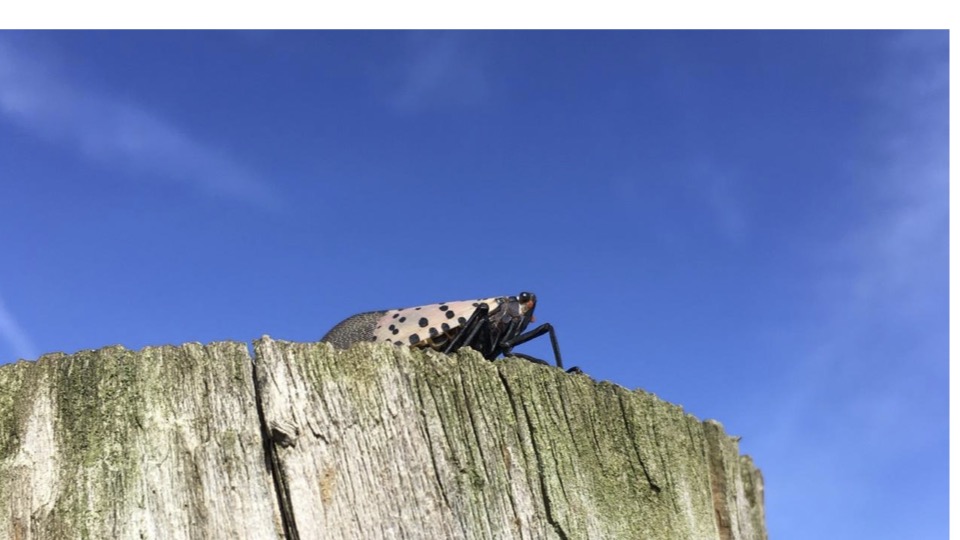
How does Spotted lanternfly phloem-feeding impact fruit/wine chemistry and vine health?
The Spotted lanternfly, an introduced planthopper species in the U.S., can impact vineyards due to its ability to influence grapevine carbon dynamics (carbon assimilation, allocation, and storage), yield, and water relations (transpiration), as grapevines (Vitis) are a preferred host species. We’re engaged in a multi-institutional effort to better understand how SLF can impact long-term yield, fruit chemistry important for wine sensory traits, various fundamental aspects of whole-plant carbon and hydraulic physiology, and vine biology when vines are also infected with important vascular pathogens. The goal is to develop a comprehensive picture of grapevine-SLF interactions in the coming years to better assist growers with SLF management efforts.
Current projects for this season will investigate (1) how exposure to adult SLF impacts macro- and micronutrient partitioning in interspecific Vitis cultivars, and (2) how exposure to adult SLF impacts various components of photosynthesis and its underlying biochemical processes.
Can leguminous under-vine cover crops be integrated into vineyards to improve grapevine nutrition and soil nutrient cycling?
Many Virginia vineyards are interested in reducing their use of herbicides in the under-vine area and have been experimenting with different ground management practices. One such option is the cultivation of monocultural or mixed plant stands underneath the vines, including native vegetation (“weeds”!), different grasses or fescues, legumes, and more. We’re interested in different types of legumes with differences in growth habit and vigor and their potential as a permanent cover/weed suppressant and to modify soil nutrient cycling and uptake.

Which varieties may be best suited to the increasing challenges of current and future growing conditions?
Like other Mid-Atlantic states, Virginia is experiencing warmer temperatures and shifts in seasonal precipitation patterns, in addition to warmer winter temperatures. With this comes increased disease pressure, primarily from fruit and canopy fungal pathogens, in addition to an increasingly northern range of Pierce’s disease, a damaging vascular bacterial disease. Many grape breeders worldwide are releasing new wine grape varieties with superior disease resistance, in addition to other desirable traits that may help growers escape damaging weather events, like spring frost events. We have an ongoing variety trial that is assessing the performance of 14 different wine grape varieties; some are newly released, while some are older varieties that have yet to be tested in Virginia. Stay tuned for updates on how they do!

How can we update vineyard nutrient sampling to better assess grapevine nitrogen status?
Current nutrient management recommendations for grapevines are in need of updating, as wine grape cultivation has expanded into new growing regions with variable soils and environmental conditions and the range of wine grape genotypes have increased since guideline were originally developed. In partnership with multiple land-grant universities throughout the U.S. and as part of the High Resolution Vineyard Nutrient Management USDA SCRI project, we have ongoing fertilization trials that seek to improve our understanding of the relationships between vine nitrogen status in vegetative and fruit tissues and vine yield and growth parameters. Our focus includes expanding this knowledge to an important interspecific cultivar, Chardonel, in addition to evaluating Chardonnay in vineyard systems with and without under-vine vegetation cover.
Project updates (and a podcast!) can be found on: https://highresvineyardnutrition.com
 Viticulture Lab at Virginia Tech